

Trust | noun | \ ˈtrəst \
-
- : assured reliance on the character, ability, strength, or truth of someone or something
- : one in which confidence is placed
-
- dependence on something future or contingent : HOPE
- reliance on future payment for property (such as merchandise) delivered : CREDIT
-
- : a property interest held by one person for the benefit of another
- a combination of firms or corporations formed by a legal agreement especially : one that reduces or threatens to reduce competition
-
- CARE, CUSTODY
-
- a charge or duty imposed in faith or confidence or as a condition of some relationship
- something committed or entrusted to one to be used or cared for in the interest of another
- responsible charge or office
-
- archaic : TRUSTWORTHINESS | in trust | in the care or possession of a trustee
Obviously, Trust covers a lot of different conceptual meanings. Regardless of the field in which it is being referenced its meaning is often of the utmost importance. Emotionally speaking Trust is of paramount importance.
Upon the first perception, most see Trust as a form of reliance, or loyalty, however, it is much more than that. Philosophers such as Annette Baier have made distinctions between trust and reliance through the assertion that “trust can be betrayed, whereas reliance can only be disappointed.” This is expanded on further through the examples provided by philosopher Carolyn McLeod where they explain Baier’s position by stating: “we rely on our clock to give the time, but do not feel betrayed when it breaks, thus we cannot say that we trusted it; we are not trusting when we are suspicious of the other person, because this is, in fact, an expression distrust. Thus, trust is different from reliance in the sense that a truster accepts the risk of being betrayed. This, of course, is trust through the philosophical lens, and trust is exhibit through numerous expressions.
Trust on a psychological level is believing that the person being trusted will meet the expectations placed on them. Trust in an economic context is “treated as an explanation for the difference between actual human behavior and the one that can be explained by the individual desire to maximize one’s utility.” Within any given system trust is when any individual component can successfully rely on another to accomplish its intended task.
Simply put, trust is fundamental.

02-21-19 Stay Positive by The Hold Steady
02-22-19 Stay Positive by The Hold Steady is an interesting end to one of their most praised albums. The entire song is one reference followed by another—many of which are inside jokes for only the most devout fans. Others tie up loose ends from songs earlier in the...
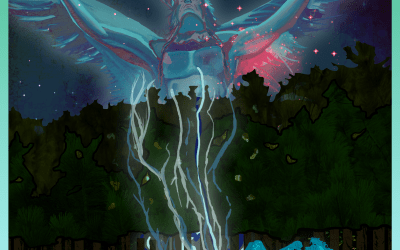
02-20-19 Transistor Radio by Cloud Cult
2-20-19 Emotions stay with us long after the moments we think they would/should leave. To have your trust violated is something that you could carry with you in every interaction after that point no matter who or what it is. Inversely our emotions for things and...
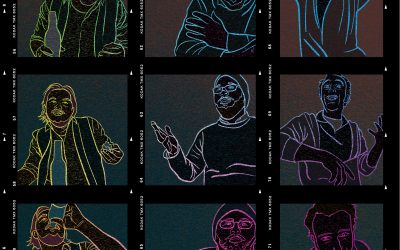
2-19-19 Ambling Alp by Yeasayer
02-19-19 Similar to Spoon’s Underdog, Ambling Alp by Yeasayer is about maintaining that trust within yourself. Unlike Underdog, Ambling Alp, takes it a step further though; created initially as a fictitious conversation between Joe Louis, American Boxer, and his...

02-18-19 Le Monde by Thievery Corporation
02-18-19 I don’t know how many years I listened to this song before ever looking up the lyrics. It came out in 2000, I doubt I heard it until 2003 or 2004. I enjoyed the French, not knowing allowed me to create a completely different story each time. Its sound made me...

02-17-19 Girl In the War by Josh Ritter
02-17-19 There is no instance of a country having benefited from prolonged warfare. – Sun Tzu Written nearly 14 years ago, Josh Ritter created one of this generation’s most beautiful protest songs. Built out of the frustration with the United States involvement with...
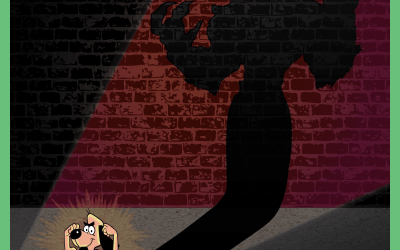
02-16-19 The Underdog by Spoon
02-16-19 I think most everyone in their life has experienced being the “underdog.” It’s not a great sensation, feeling like you’re pushed into a corner, and it’s a “do or, do not,” situation because when you’re the underdog, there is no “try.” This doesn’t change the...
02-15-19 Balance by Future Islands
02-15-19 Sam Herring, the lead singer of Future Islands, has talked about how this song represents a crutch for the younger spirit yearning for changes in circumstances. Having faith that someday it gets better. “It just takes time.” We can give this advice so much...
Explore Past Emotions


