


Pensiveness pensive pen· sive·ness | \ˈpen(t)-siv-ness noun
Pensive pen· sive | \ˈpen(t)-siv adjective
- musingly or dreamily thoughtful
- suggestive of sad thoughtfulness
Pensiveness is an emotion often associated with melancholia. Losing one’s self to thought isn’t always a positive act. We often find ourselves in reflection during movements of strife; trying to discover what is most important to ourselves.
I understand the association with melancholy. I typically find myself in a pensive state when I’m contemplative over the negative aspects of my own life—trying to go back through the memories and untangle them into something more easily translated. This isn’t a state I find myself in when everything is going right.
Though it’s immediate associations aren’t the best, I find pensiveness to be a great strength in understanding. Of course, this could be due to bias, or maybe its an attempt at rationalizing an emotional state I’ve always found myself coming back to.
Pensiveness is believed to be one of the seven basic emotions in Traditional Chinese Medicine. It is believed that pensiveness is like worry in its character and effect. It exists primarily in brooding, constantly thinking about certain events or people (even though not worrying), nostalgic yearning after the past and generally thinking intensely about life rather than living it.
“Pensiveness makes the Heart [Qi] accumulate, and causes the Mind to converge: the Upright Qi settles and does not move and therefore Qi stagnates.”
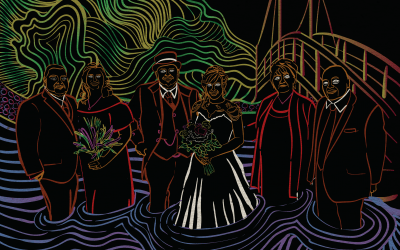
01-03-19 Walking Far From Home by Iron & Wine
1-3-19 Life’s journey takes all of us in different directions. No matter how intimate a relationship may be, everyone’s experience is different. This shapes us, it informs how we think, and how we respond. These experiences can be found in the travels we may...
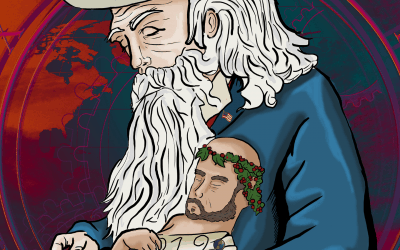
01-02-19 Good Son by Gentleman Auction House
1-2-19 I discovered this song through an amazing online channel called “Daytrotter.” They are an online music blog that has an unbelievable library of specially recorded material from artists from all different genres and levels of fame. Gentleman Auction House was...
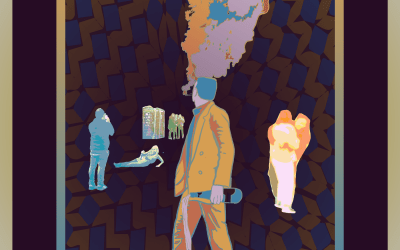
01-01-19 Wasted by Sin Fang, Örvar Smárason & Sóley
1-1-19 After a long night of reverie and celebration it’s understandable to feel the impact of one’s over-consumption. Though this particular song is referring more to the emotional “waste” one experiences while going through a separation, I still believe its...
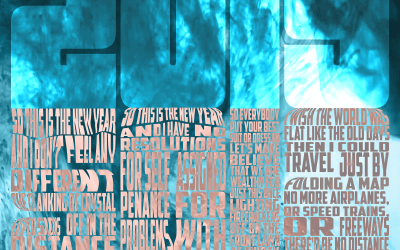
12-31-18 New Year by Death Cab for Cutie
12-31-18 Planning of this project began nearly a decade ago, at least the structural outline, and wistful image of what it could be. In July of this year I felt it was time to finally put form to thought, and so began the meticulous process. I suppose, this is a...
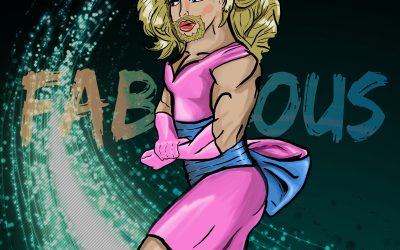
12-30-18 Muscle N’ Flo by Menomena
12-30-18 This particular song has always been a major tool for introspection and self-reflection. It’s almost soft-punk anthem speaks to me on an intimate level. A cross between submission, and frustration meeting at a point of self-reflection; I found this song when...
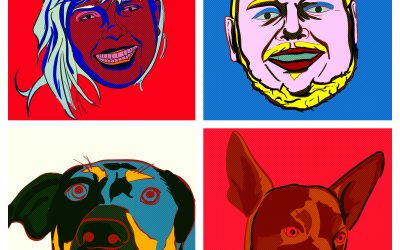
12-29-18 Sons and Daughters by The Decemberists
12-29-18 I understand that my animal companions are not my children… I do… and yet, they are my furry children. Of course, they will not reflect the same cognitive and emotional development that human child may exhibit, however, their growing personalities are...
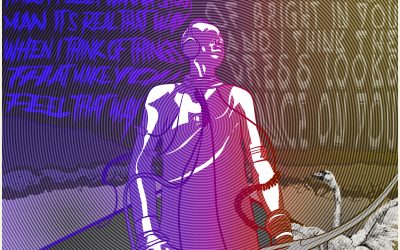
12-28-18 The Dress Looks Nice On You / Make You Feel That Way by Tor (Sufjan Stevens + Blackilicious)
12-28-18 This first selection is a “mash-up” and due to what I am assuming is copyright issues, one that cannot be found on Spotify. I have included a YouTube link to the mashup as well as links to the two songs used which can be found on Spotify. I think both songs...
Explore Past Emotions


