

Vigilance vig·i·lance /ˈvijələns/ noun
- the action or state of keeping careful watch for possible danger or difficulties.
The modern take on Vigilance is akin to that of sustained concentration; viewed as the ability to maintain concentrated attention over prolonged periods. We evaluate or attempt to detect a specific target; then we observe—intently—waiting for a change which we believe could impact ourselves.
Whenever I thought of vigilance, I’ve felt a need to be cautious, and immediately take stock in my surroundings and well-being. I’ve thought of our ancestors, out in the wild, maybe on a hunt, having to pay close watch to their every move so as not to scare off their prey, or quickly become prey themselves. I’ve thought of soldiers throughout time and all wars, waiting with baited breaths for some moment of resolve. I’ve thought of the child that is careful not to cry out so as not to upset their caretaker for fear of punishment.
Most recently I’ve been thinking a lot about vigilance on a macro approach how we as a collective continue to approach our states of vigilance. How it is incumbent on ourselves to keep watching our governments and their attempts at monitoring the people to “secure the borders,” or monitoring the corporations who vigilantly watch their investments within our political landscapes, and nothing more. How do we continue to be vigilant as individuals? How do we work as a collective to help ensure that we as a species not only survive but thrive?

01-17-19 Werewolf by CocoRosie
01-17-19 When I first started dating my wife, I was conscientious about so many things that I had never considered before—it was if all the horrible situations and decisions from past relationships had finally culminated in some useful education. The beginning of our...
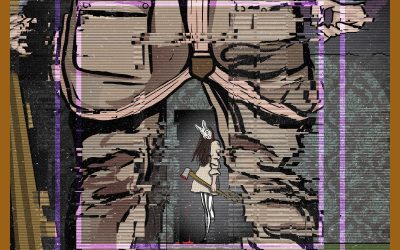
01-16-19 Breezeblocks by Alt-J (∆)
01-16-19 Much of Alt-J's music revolves around pseudo-cryptic tales inspired by past literary adventures. This song, being one of their first hits, has grown to become one of the most popularly debated songs in the last several years. The band themselves talk about...

01-15-19 Echoes by The Rapture
01-16-19 "For if I tell you that this would be a disobedience to a divine command, and therefore that I cannot hold my tongue, you will not believe me serious; and if I say again that the greatest good of man is daily to converse about virtue, and all that concerning...
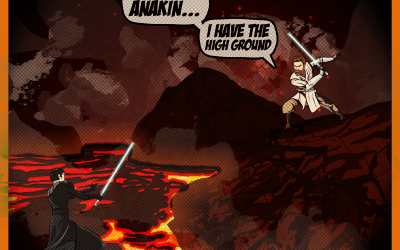
01-14-19 Higher Ground by Stevie Wonder
01-14-19 The “higher ground,” it’s a concept that’s used in a multitude of ways. Stevie Wonder uses it as a way to describe heaven and the point to which he strived to acclaim to. Throughout the song, Stevie speaks to the things we should focus on to reach our highest...
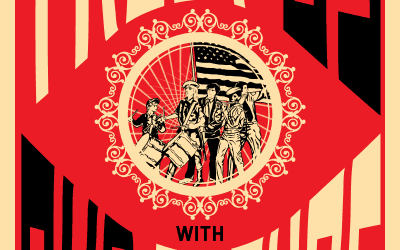
01-13-19 Fountain of Youth by Local Natives
01-13-19 This song came out in 2016, during the height of the last U.S. presidential election. Local Natives used this song as a major catapult for their third album, one which felt like a more established blend of the first two. It’s so hard to listen back through...
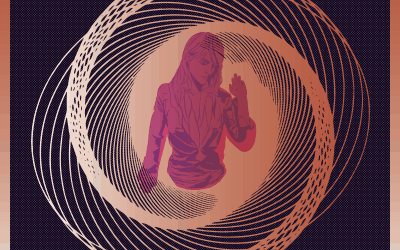
01-12-19 Help I’m Alive by Metric
01-12-19 There’s a point of anxiousness, at least for me, when I feel like all my senses are heightened; whether I know what it is I’m looking for or not, every sense is working overdrive, evaluating my surroundings. This sensation, the one created by the adrenaline...

01-11-19 Daylight by Aesop Rock
01-10-19 I think it’s important to establish where the inspiration for today’s image came from. The body of the fox comes from a pretty well-known photo of Aesop Rock himself. The fox, well his name is “Aesop” Rock, so of course, I always think of Aesop’s Fables. The...
Past Emotions


